here%20high%20res.png)
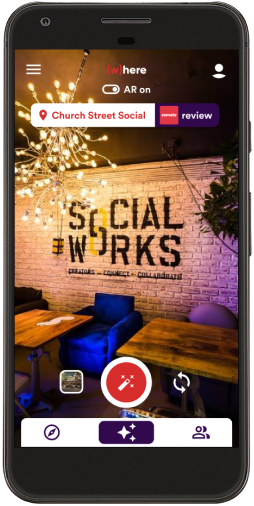
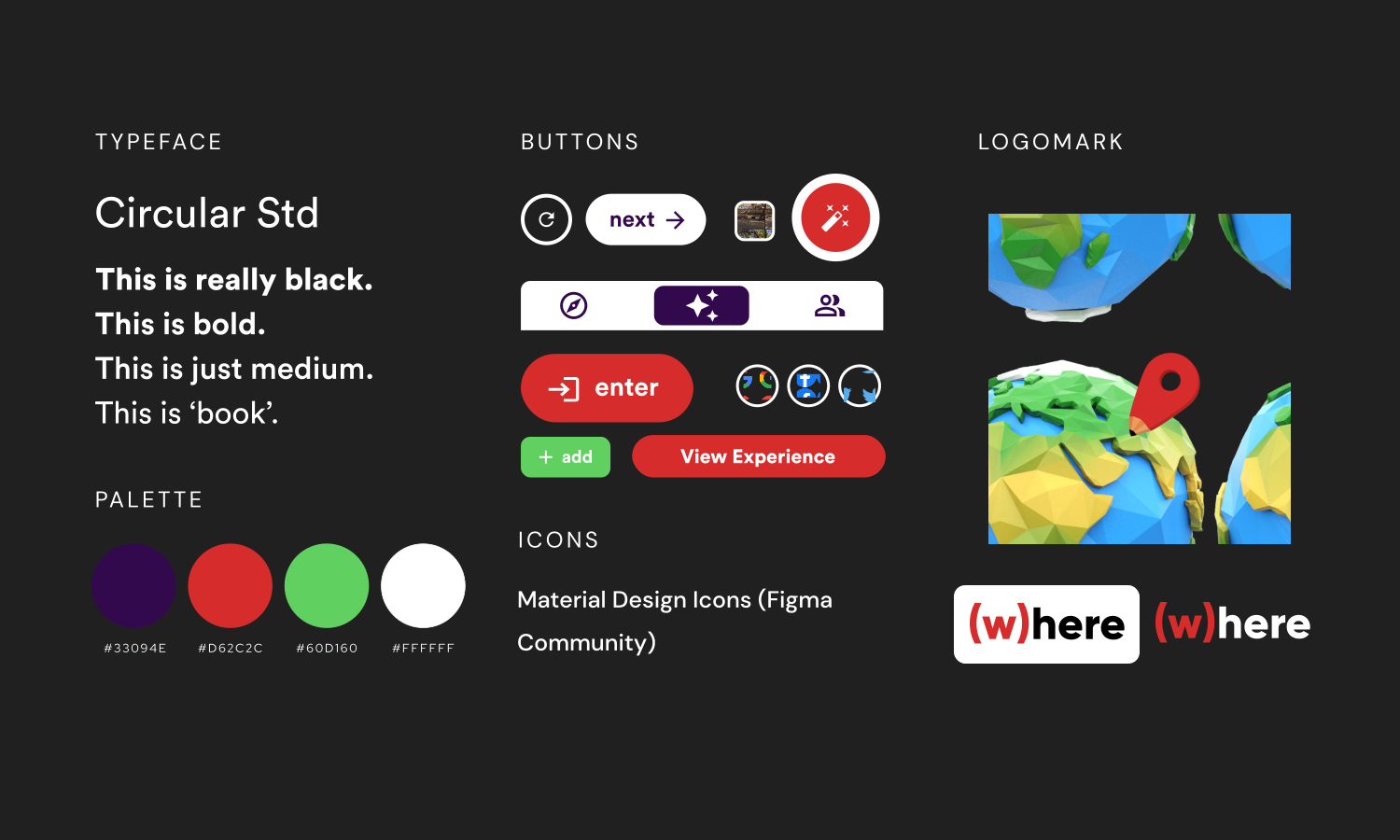
(w)here is a new-age hyper-local social media platform - in short, it ties your experiences to the spaces you live them out in, where your stories exist in the virtual augmented reality (AR) plane that sits on top of our real world.
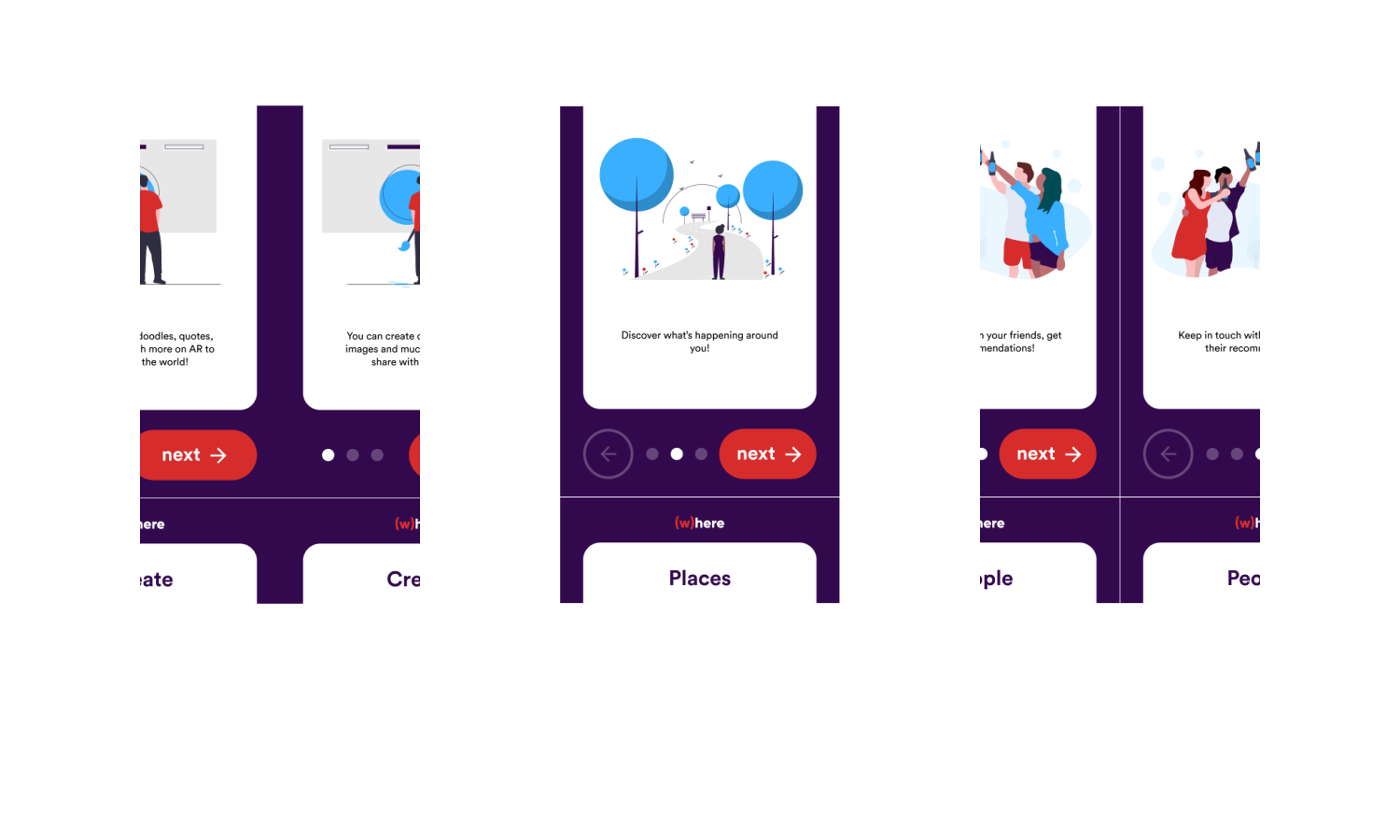
Places and therefore AR is the core focus and USP of this social platform - it allows individuals to communicate in and through spaces while also being able to unleash their creativity on the world around themselves in a vibrant and communicative - but non-destructive way.
This platform is targeted at the teens and young adults slice of the population - thereby competing alongside Instagram and Snapchat. They are the generation that has grown up in the age of social media - and therefore are more conducive to more disruptive ideas in that space. They’re also constantly moving around and meeting new people, making a perfect match.
Doodling, writing, snapping pictures or shooting videos - attach any kind of media in bite-sized posts that are attached to the location you’re in - visible publicly or only with friends. Helps establishments’ visibility by connecting reviews to Google, Zomato and other social-commerce tie-ins. Posts are up only temporarily for others, but can be made permanent for your friends to see.
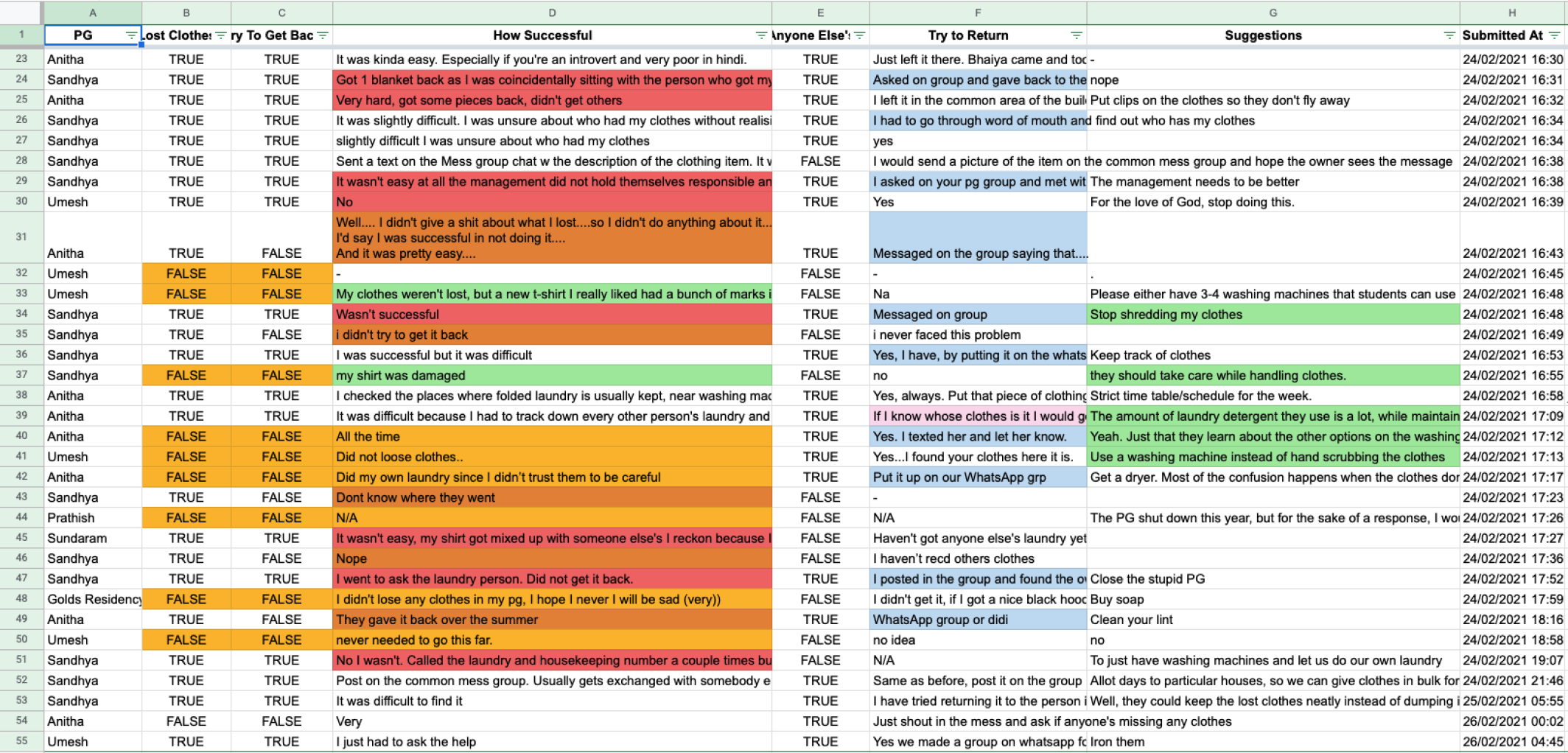
Comparing the three PGs on common attributes and trying to detect what might be the possible cause of inefficiency in the system
Organising public or private events:
Public art/expression, reviews and social media
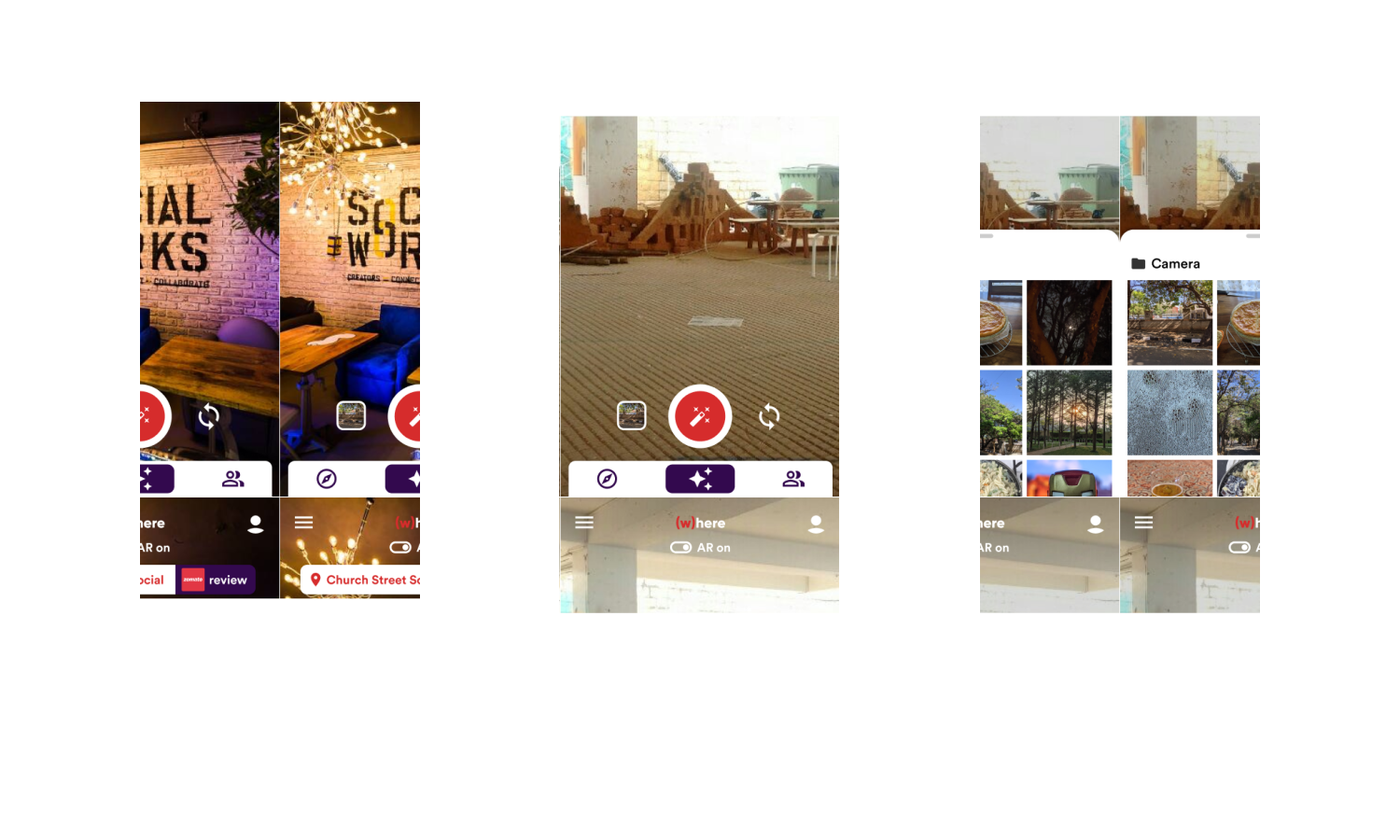
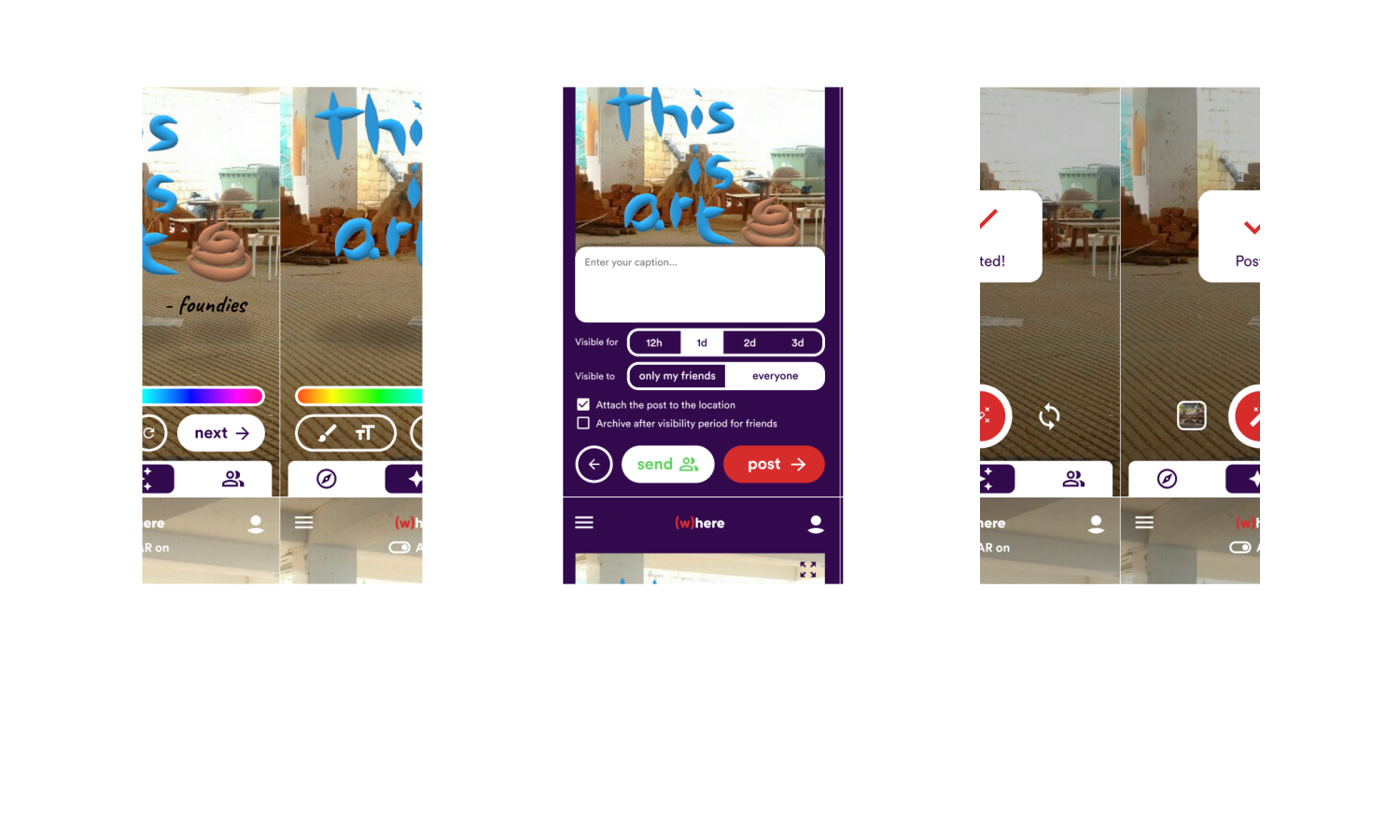
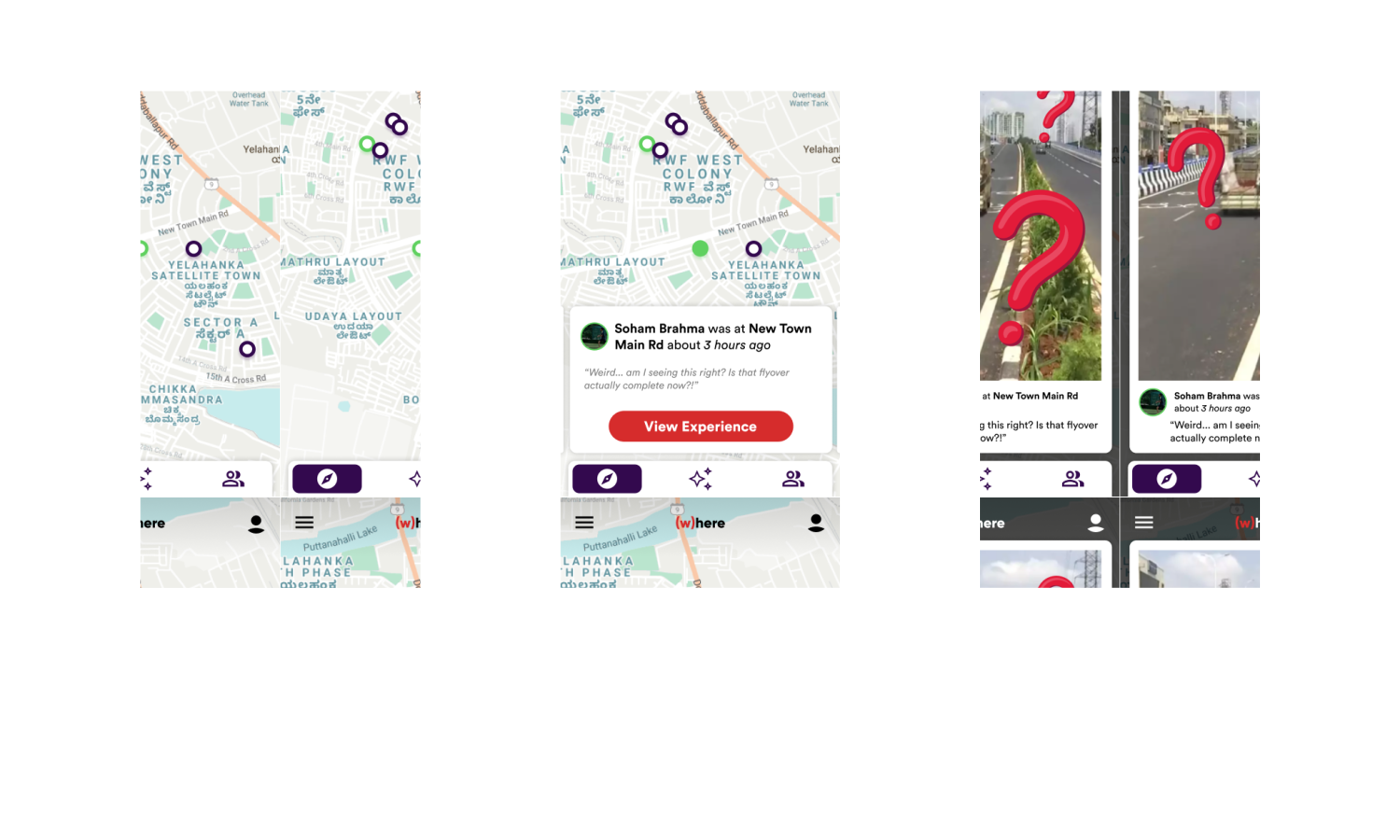
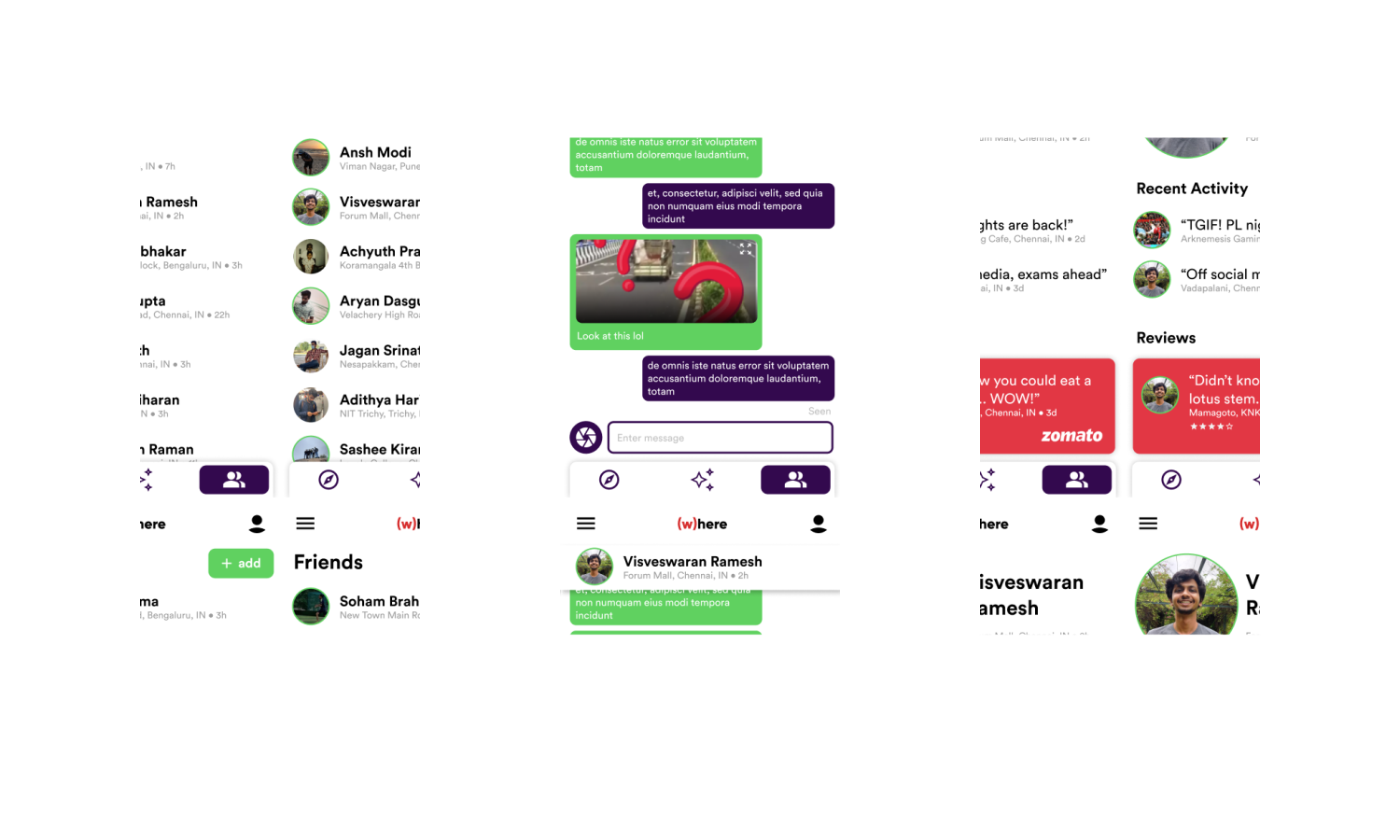
The user’s road safety is affected when using the AR view to uncover new local experiences.
It’s hard to create and anchor AR objects to a location when shooting a video or using a pre-recorded video from a moving vehicle - geotagging works accurately only on pictures.
Keeping posts up permanently will quickly over-crowd the spaces and they will also lose relevance quickly. On the other hand, temporary posts don’t work well for informative usage like signs and guides
Content moderation is difficult on such a platform - it’s not hard to spread hate speech even using just imagery and symbols and could border on violent vandalism (even if temporary).
Worries about privacy/surveillance - location history being a non-negotiable might be a deal-breaker for people concerned about their personal dataUse for political campaigns - might be positive or negative but unpredictable in terms of impact.
A lot of people can take control of spaces at once if mobilised and organised. Defamation is the other side of that coin which is also problematic.