ezwash
/simplified laundry for PGs
Timeline
2 weeks, Feb 2021
Initiated By
Project - 'Co-Create'
Skills Demonstrated
User research, product thinking,
Group
Madhav Sridhar, Tavishi Bhardwaj
Overview
A digital platform that helps streamline the PG laundry process by connecting the students and PG workers. It is focused on improving the efficiency and dependability of the existing system.
Goal of the project
This project looks into understanding and analysing the different laundry systems used by Paying Guest Accommodations (PGs). View points of multiple stakeholders need to be taken into account to identify the problem areas within the system. These can be used to frame a well-informed problem statement, for which solutions can then be proposed.
Who are the major stakeholders?
This project looks into understanding and analysing the different laundry systems used by Paying Guest Accommodations (PGs). View points of multiple stakeholders need to be taken into account to identify the problem areas within the system. These can be used to frame a well-informed problem statement, for which solutions can then be proposed.

Students
They are the ‘users’ of the laundry system which is provided to them by their PG. They engage by giving their clothes for washing at regular intervals and they expect to get them back within a few days without any mix-ups or issues.

PG Workers
They are the ones responsible for the day-to-day functioning of this laundry system as they collect the clothes, wash them, and return them to the respective students. Their actions have the biggest impact on how well or how bad this system works.

PG Operators
They create and manage this system as they provide it as a service to the students along with their accommodation. It is in their best interest for the system to run without hitches and not having to deal with complaints
Understanding the laundry system
Following is the documentation of the laundry system followed by three different PGs at my college.
User Research
Students questionnaire
Following are the questions we asked the students to get a comprehensive understanding of how the laundry system affects them
- What PG are you from?
- Have you lost clothes?
- Have you tried to get the clothes back?
- How successful were you in getting the clothes back?
- Have you gotten someone else’s clothes?
- Have you tried to return clothes you have found?
- Any suggestions for the laundry system?
Data
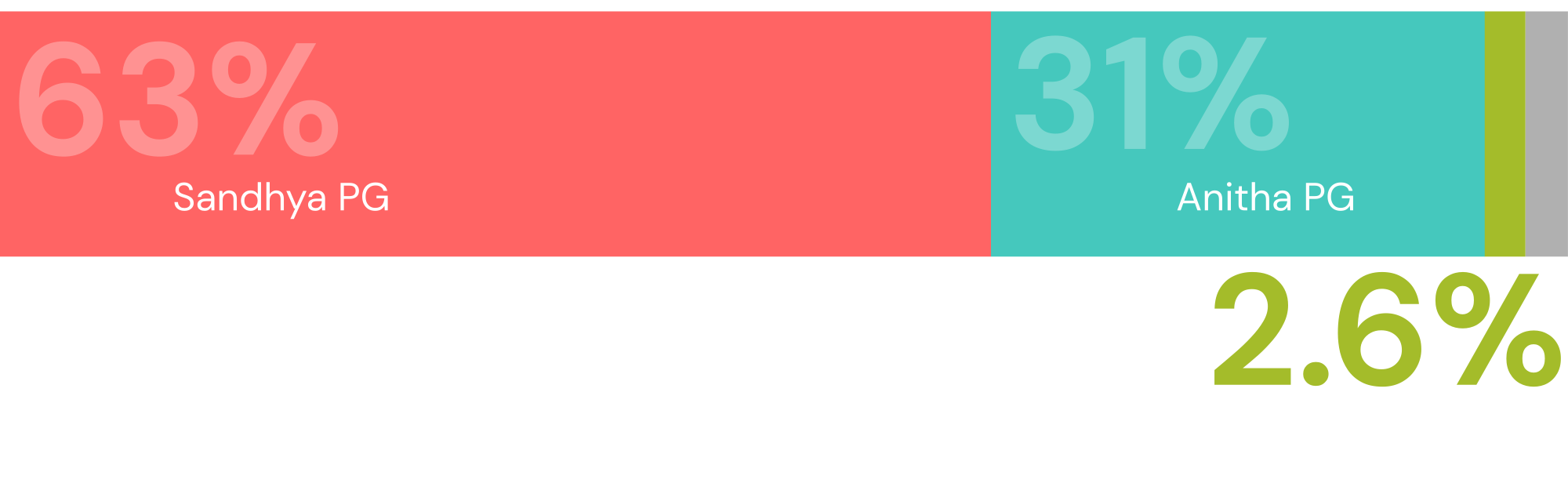
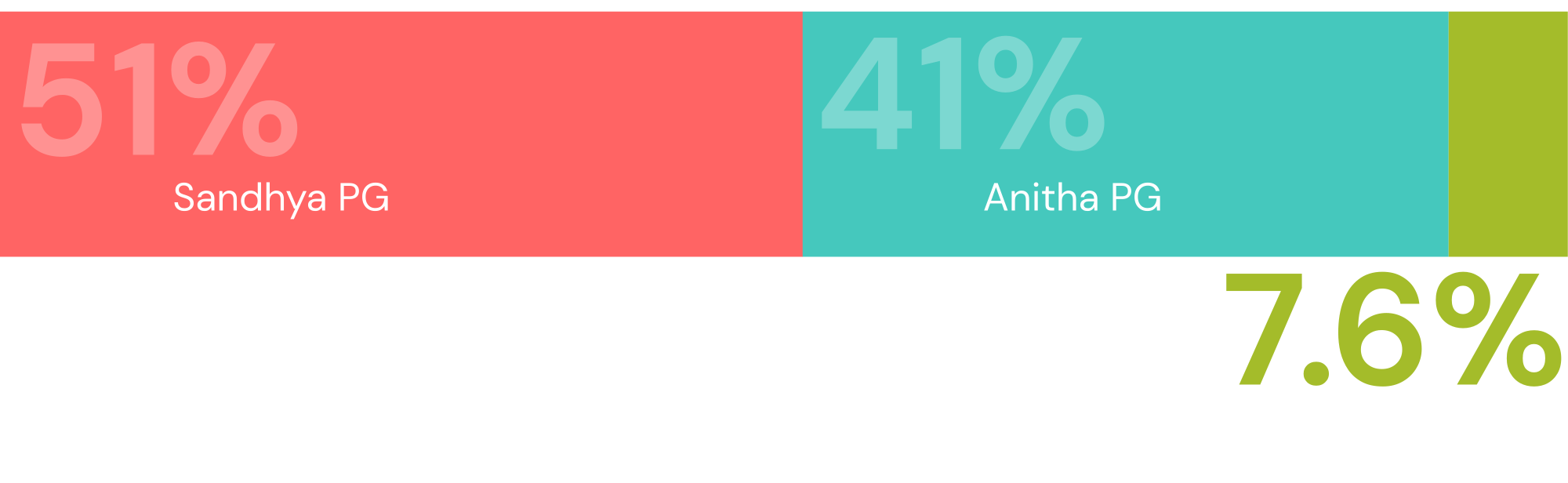
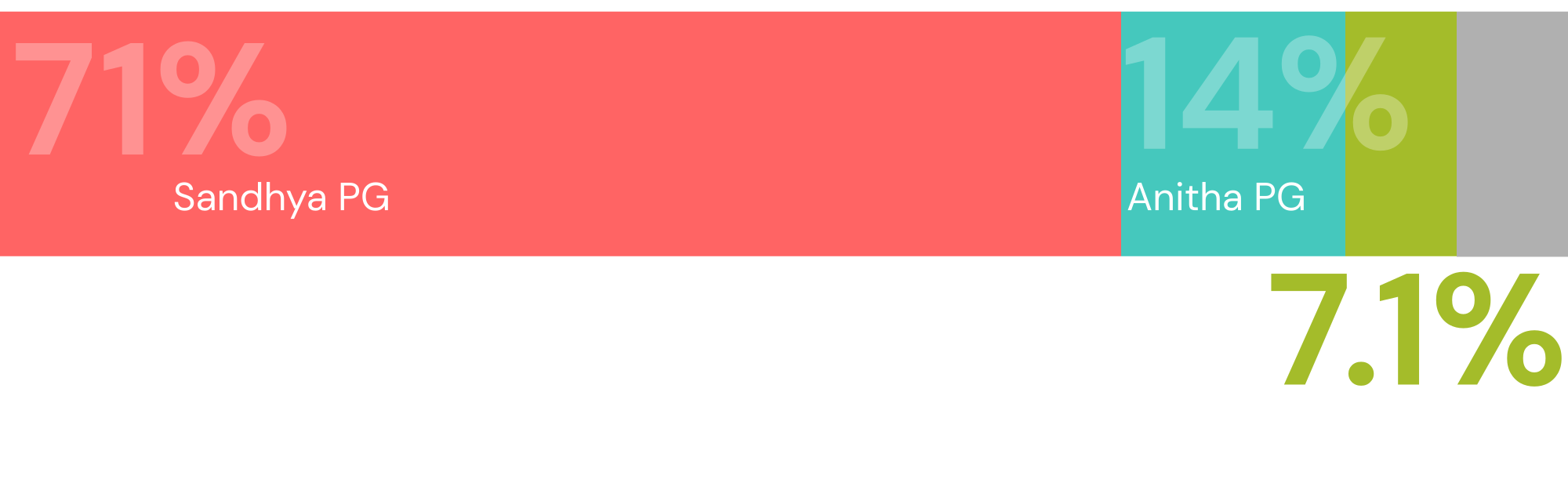
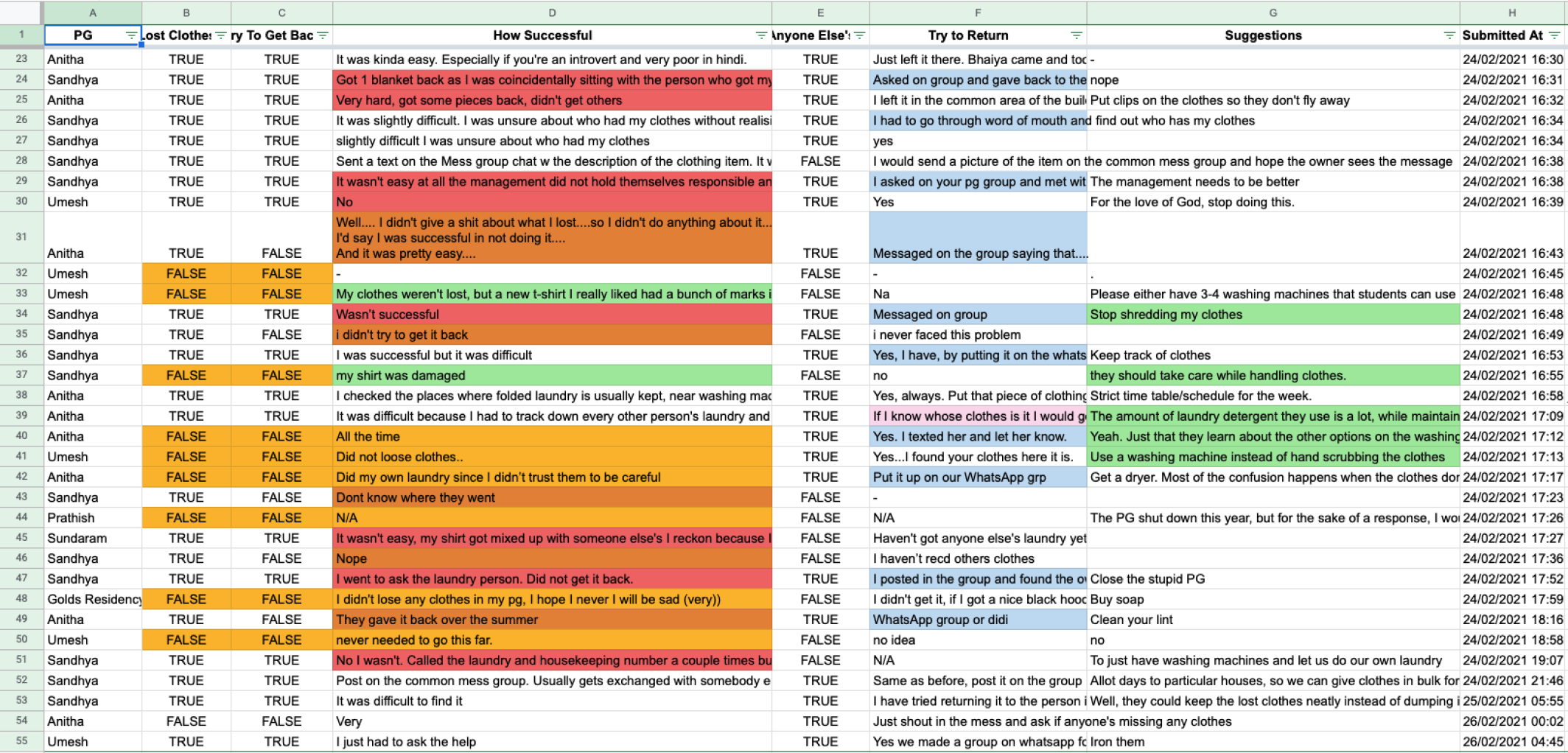
This the data of 54 students from different PG’s based on the above mentioned questionnaire. Here is the link to the responses spreadsheet.
PG Workers questionnaire
We talked to workers from each of the three PGs and interviewed them based on this questionnaire
- What PG do you work for?
- What is your job in the laundry system?
- How often have you had mix-ups or clothes getting lost?
- Have you tried to track down and find clothes?
- How successful were you in getting the clothes back?
- Do you think the system is efficient?
- Any suggestions for the laundry system?
Most of the workers explained the step-by-step process that is followed by the PG in detail, and what was the reason behind certain steps (which informed our system mapping)
However, they weren’t forthcoming when we asked about the drawbacks of the system or about difficulties they faced within it, presumably because they didn’t want to get in any kind of trouble with their superiors.
Pains and Gains
Umesh PG
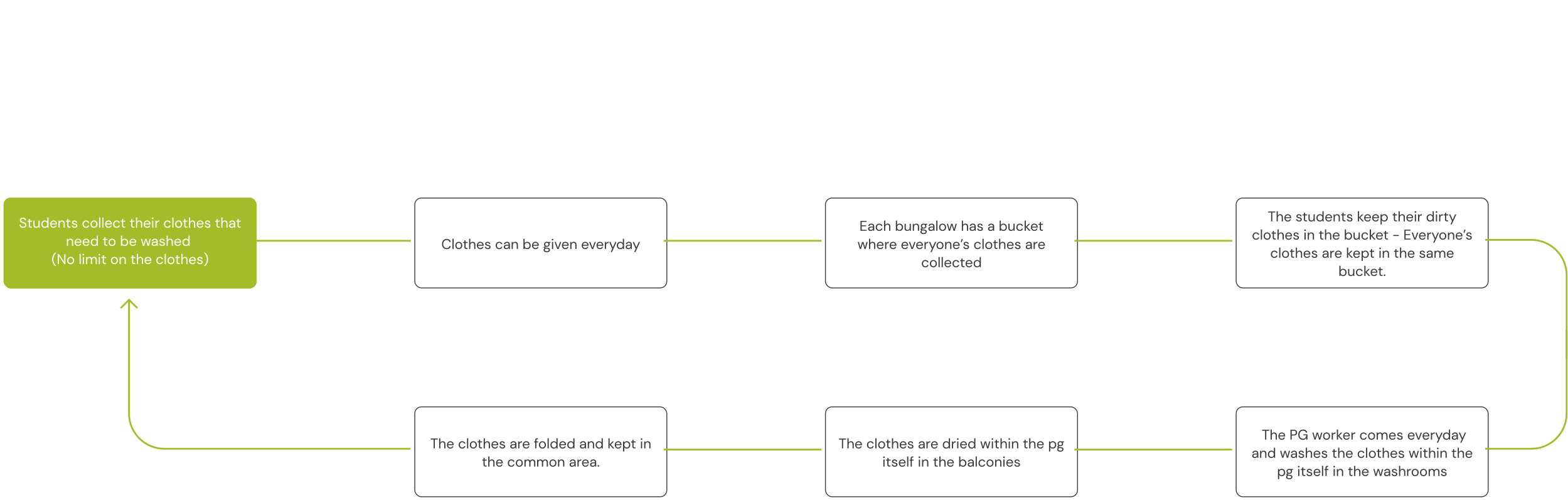
Umesh PG is following a localised laundry system. In the PG buildings with washing machines (apartment complexes) the students are responsible for doing their own laundry. In the PG bungalows without washing machines the workers are responsible for washing and drying the clothes within the building and leaving them folded in the common area.
Benefits
Pain Points
Localised system
A localised system makes it easy to find the clothes that have been misplaced and immensely minimizes the room for error overall.
The upkeep of clothes
Since in PG’s without washing machines, the workers hand wash the clothes, the clothes are often not washed properly and have stains on them.
Tracking down clothes
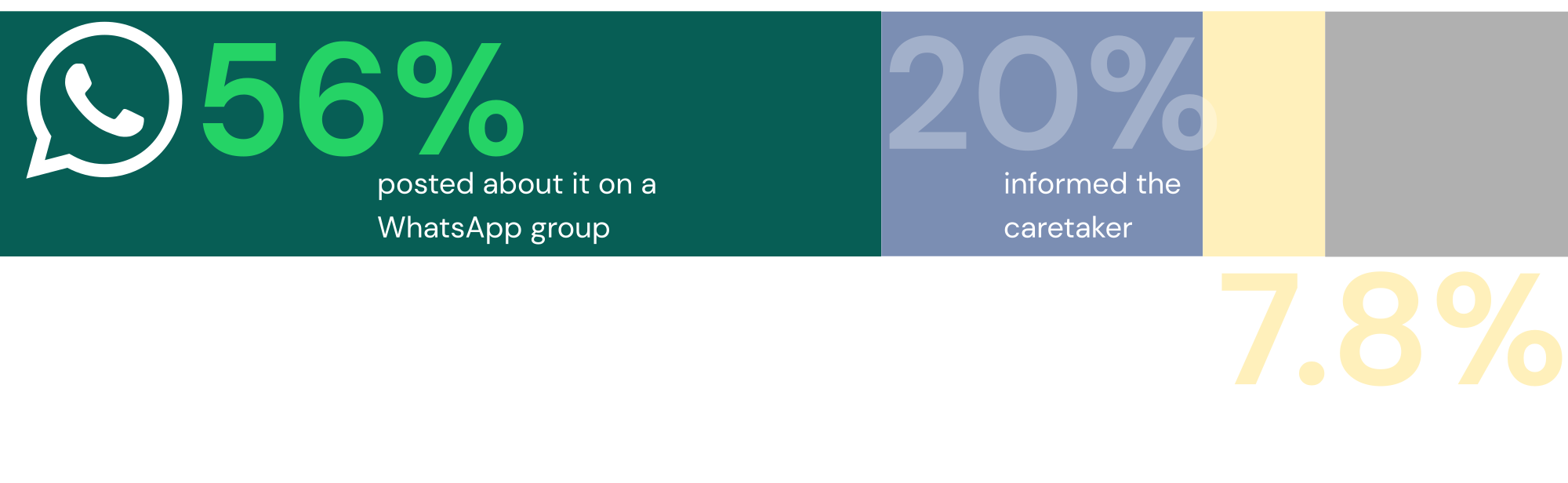
Currently done through word-of-mouth or through common WhatsApp groups that are meant for other uses.
Common area
Clothes being kept in the common room together after being washed also makes it more likely for someone to pick someone else’s stuff by mistake.
No limit/count on clothes
Students don’t remember the clothes they have given for wash. This makes it difficult to identify when clothes have been lost, unless they have pre-counted the clothes.
Anitha PG
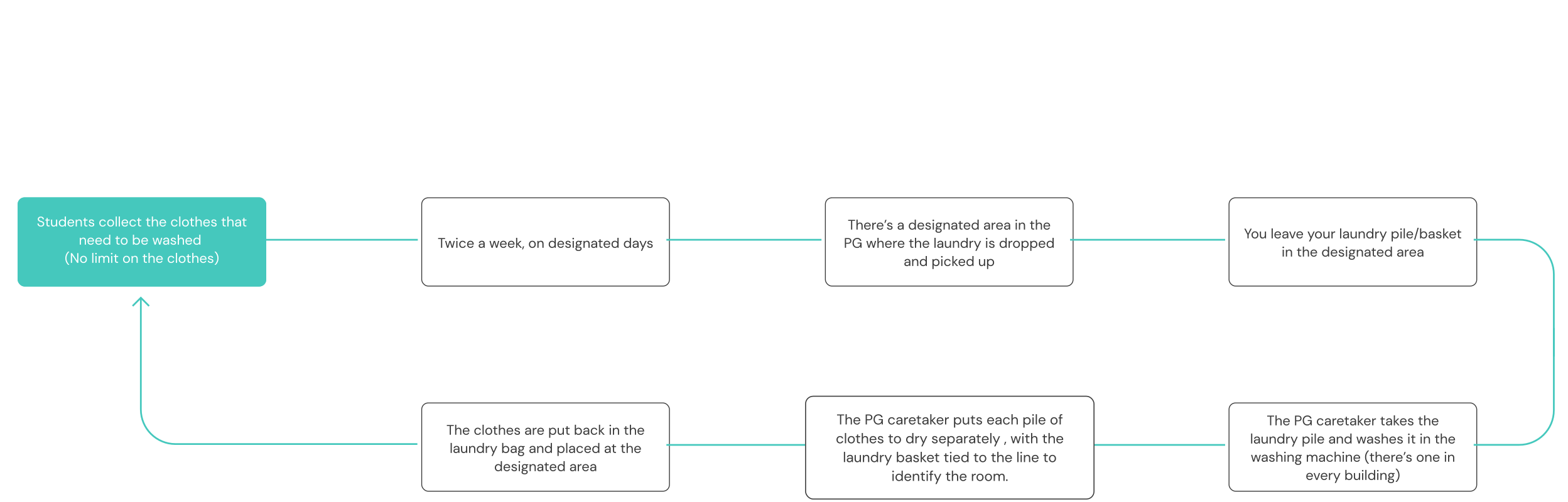
Anitha PG follows a very similar system to Umesh PG. With the onset of COVID, Anitha PG discontinued all their bungalow units and now have only multi-storey buildings each of which has its own localised laundry system and is thus more tightly integrated now. The clothes are washed within the buildings by the caretakers who live in the building. Unlike Umesh PG all Anitha PG buildings have washing machines, so the clothes are not hand washed.
Benefits
Pain Points
Localised system
A localised system makes it easy to find the clothes that have been misplaced and immensely minimizes the room for error overall.
Accountability
Unlike the Umesh PG system where the students hold the accountability to identify their clothes from the folded pile, here the worker is responsible for identifying the clothes and putting them in the respective baskets.
Individual washing
The clothes are washed individually (only one persons load at a time) and dried separately to avoid any sort of confusion. The clothes are returned in their respective laundry bags.
Drying of clothes
During drying of clothes, there are often mix ups, even though the laundry basket is tied to the line to identify the clothes.
No limit/count on clothes
Students don’t remember the clothes they have given for wash. This makes it difficult to identify when clothes have been lost, unless they have pre-counted the clothes.
Sandhya PG
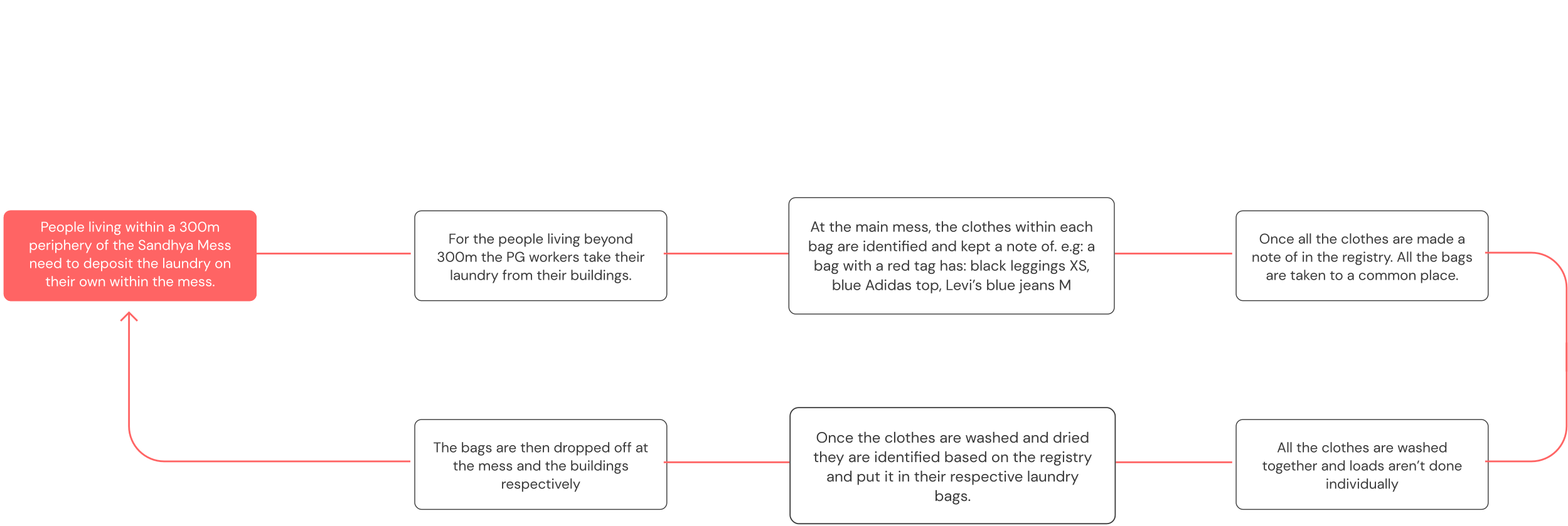
Sandhya PG has a centralised system which is quite different from Umesh PG and Anitha PG. The system has a lot of rules and is complex. Since the system is centralised, all laundry is washed at one house, once collected at the mess. Sandhya PG has a colour code system to bifurcate the students. However, beyond that there is no bifurcation, and the clothes are washed together. This can only be done since they rely on their cumbersome registry system to keep a note of the clothes
Benefits
Pain Points
3 items only
Prevents the loads to be washed individually. Indeed it helps in their identification process, however washing clothes together increases the chances of a mix up immensely..
Registry system
Instead of one record, the workers need to write down the three items everyday. On top of that they need to list it in a way so that the clothes are identifiable. You also need to have the same person identifying the clothes once washed, since they are arbitrary descriptions
Transportation
The transportation of clothes to a central hub and back creates extra hassle for the PG workers since it adds more logistics to the equation.
Upkeep of clothes
In terms of upkeep, the clothes are not segregated by colour for washing, which has the potential to cause staining of the clothes.
Centralised system
The system being centralised makes it impossible to reclaim the clothes that are lost and increases the room for error.
Comparative analysis
Comparing the three PGs on common attributes and trying to detect what might be the possible cause of inefficiency in the system
Key problem areas
Through research and analysis we narrowed down to these key problem areas:
Mix up
Clothes getting lost/mixed up during the washing and drying process since the workers are unable to distinguish individual student’s clothing
Informal redressal system
An informal redressal system which is slow and inefficient and is usually localised to the student’s own building
Keeping track of clothes
The students themselves not being able to keep a track of clothes when they go for wash
Sorting
The inability of the workers to identify students’ clothes and sort them precisely
Solution: Mobile Application
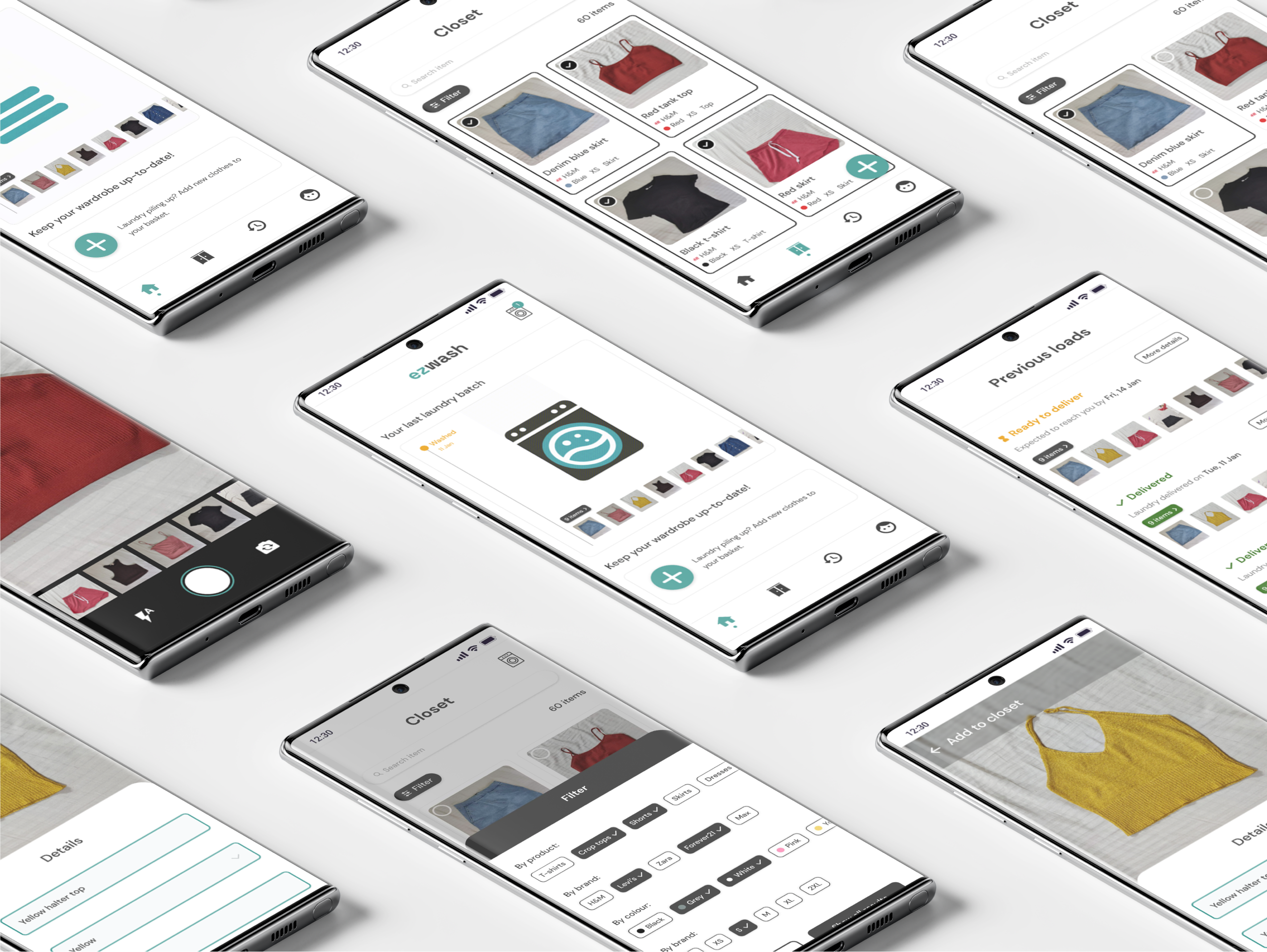
To address the problem areas we decided to make a mobile app that connects the students and workers to a common system. It helps the students keep track of the clothes they give for laundry and helps the workers reduce mix-ups. The students can keep track of their entire wardrobe this way, so that they don't lose clothes, and the workers can match and identify clothes with students easily without having to remember any descriptions or details. If a mix-up does happen, it becomes much easier to track it down because there is an established record of which clothes went where when and along with whose clothes.
Home
Home Screen
The home screen shows the status of your last order and links to the details of that order. It also gives you alerts to add new clothes to your wardrobe or to your laundry basket if you haven't given a laundry load recently.
Add to basket
Items can also be directly added to the laundry basket from scratch by taking a picture of the item and writing a description of it. Whenever you do this, the items will automatically get added to your closet as well so that you can just select it from there next time.
Order status
The home screen has different animations to display the status of the latest order, so that it's readily accessible information when you open the app
Closet
Closet
Closet is a feature that allows the user to create an inventory of their clothes. Adding an item to your closet is as easy as just clicking an image of it and describing it!
Filters
The closet screen has multiple filters like product type, brand, colour and size that help you go through and find your clothes quicker.
Add to closet
Items can be added to the closet by taking a picture of the item and writing a description of it. The next time you're giving the same piece of clothing for laundry, you can just select it from your closet.
Previous Loads
Order History
This shows the previous loads (batches) your clothes were part of, so that it's easy to track down any missing or misplaced piece of clothing as you'll know who else had their clothes washed/dried in the same batch as you.
Items list
This is a detailed view of all the pieces of clothing you gave as part of your order, to cross-check with the clothes you get back from laundry.
Laundry Basket
Laundry Basket
This screen is easily accessible from the home and closet pages - it is the list of clothes currently in the batch to be given for laundry. The icon for the laundry basket page updates to denote the number of clothes currently in it
Mobile App for the PG Workers
These are the features in the app that the PG workers would use to record actions and cross-check data.
Laundry Pickup
The worker can keep track of the load of laundry they pick up at every building using a list. They keep checking off individual students as and when they pick up their laundry.
Creating laundry batches
When the laundry is picked up it moves to 'wash' where the worker selects group of students to create laundry batches. In this way you can always keep track of whose clothes were washed together
Verifying clothes
Once the batch is washed and dried the worker can use each students individual list to verify if their clothing items are there and put them in their individual laundry basket.
You've reached the end (sadly.)
Time to go home.